There’s always something happening around here, and this fall we have a few things we’re pretty excited to share.
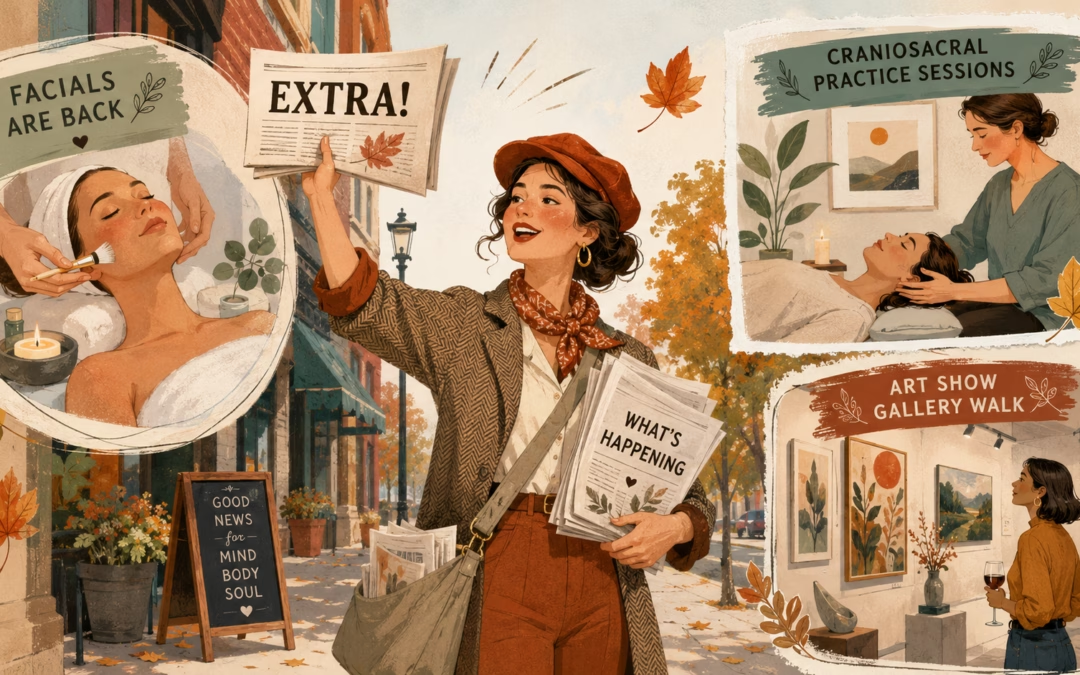
Facials Are Back!
Beginning September 1, facials are returning to the menu at That’s the Rub.
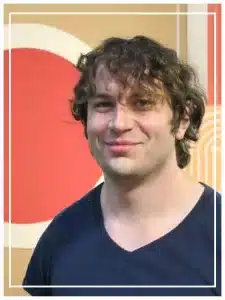
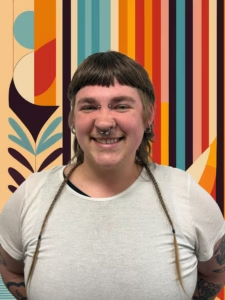
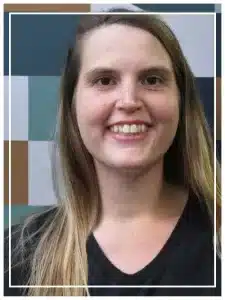
We now have two people in-house offering facial services, which means you can once again give your skin — and yourself — a little extra attention.
As we move toward fall and eventually into the colder, drier months, it’s a great time to check in with your skin and give it a little pick-me-up.
And while healthier looking, refreshed skin is certainly part of the appeal, there’s another reason we love a good facial around here:
It feels really good.
There is something wonderfully relaxing about lying down and letting someone massage your face and scalp while you do absolutely nothing for a while. You leave knowing you’ve taken time to care for yourself — and you’ve had another trained set of eyes looking at your skin and noticing anything you may want to pay a little more attention to.
Facials will be available beginning September 1.
Call us or book online to schedule yours.
Curious About Craniosacral Therapy? This Is a Great Time to Try It.
Some of our therapists are currently studying their Craniosacral Therapy skills, which means we have Craniosacral Practice Sessions available at reduced pricing while they continue their training.
Craniosacral Therapy is a gentle form of clothed bodywork. Rather than the pressure and movement you might associate with a traditional massage, sessions use gentle hands-on techniques and can be deeply relaxing.
People seek Craniosacral Therapy for many reasons, including stress reduction, chronic pain, headaches and migraines, TMJ-related discomfort, or simply because they want a quieter, gentler approach to bodywork and they can leave their cloths on.
Research is also beginning to support what Craniosacral Therapy practitioners and clients have experienced in the treatment room. Studies have found benefits for people living with chronic pain, including improvements in pain and physical function. Research specifically involving people with migraine has reported reductions in pain, frequency of migraine episodes, disability and medication use following Craniosacral Therapy.¹ ²
Of course, everybody and every session is different. Craniosacral Therapy isn’t about forcing change. It’s gentle, clothed bodywork that gives the body an opportunity to settle, soften and respond in its own time.
In our practice, we also recognize that bodies sometimes hold the effects of difficult or traumatic experiences. Craniosacral work offers a quiet, supportive environment in which the body can soften and release tension when it is ready.
If you’ve been curious about Craniosacral Therapy but haven’t tried it, these lower-cost practice sessions are an easy opportunity to experience the work while supporting our therapists as they expand their skills.
Call That’s the Rub for availability and practice-session pricing. 812-333-3393
And One More Thing...
I’ve been spending some of my time away from the massage table with a paintbrush in my hand.
On Friday, September 4, I’ll be sharing my body of work for the first time, Articles of Connection: Between Shadow and Light, during Gallery Walk at Gather in downtown Bloomington.
This series has grown over time into a visual journey exploring connection, change and what happens in the space between shadow and light. I’ll also have pieces that I painted prior to this exhibit so you can see how far I’ve come.
If you’re downtown that evening, I’d love for you to stop in, see the work and say hello.
Gallery Walk — September 4, 5–8 PM Gather, Downtown Bloomington
Facials. Craniosacral Therapy. Art.
Like we said, there’s always something happening around here.
We look forward to seeing you soon.
Research & Further Reading
1. Haller H, Lauche R, Sundberg T, Dobos G, Cramer H. Craniosacral therapy for chronic pain: a systematic review and meta-analysis of randomized controlled trials. BMC Musculoskeletal Disorders. 2020;21:1. The review included 10 randomized controlled trials involving 681 participants and found significant improvements in pain intensity and functional disability following Craniosacral Therapy.
2. Muñoz-Gómez E, et al. Effect of a Craniosacral Therapy Protocol in People with Migraine: A Randomized Controlled Trial. Journal of Clinical Medicine. 2022;11(3):759. Participants receiving Craniosacral Therapy showed improvements in pain, migraine frequency, disability and medication use compared with sham treatment.
Once I could hear my body say no, I got curious about what else it had to say.
So, the conversations began.
I didn't start with the big stuff.
I started with eggs. How many eggs do I want for breakfast?
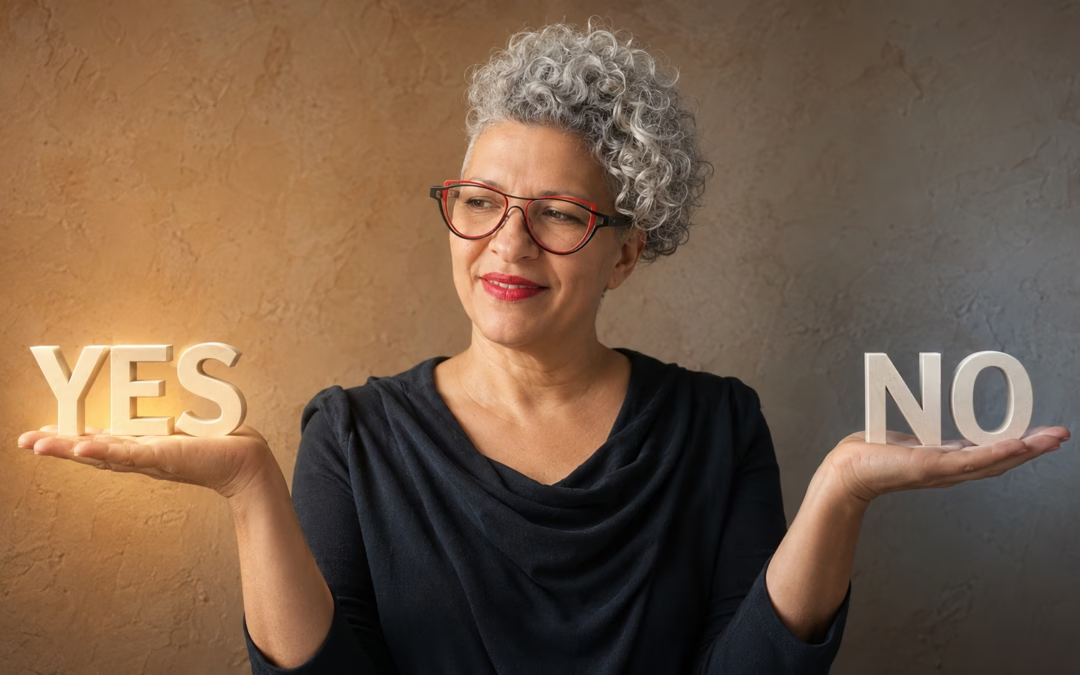
Do I even want eggs? Yes/No.
Pancakes? Yes/No.
Am I hungry yet? Yes/No.
It seems almost ridiculously simple, doesn't it?
I had spent a lot of my life listening to all the voices outside of me. The people who knew the best way to eat. The best time to exercise. The perfect morning routine. The habits successful people follow. The things I should be doing if I want to feel better, live better, be better.
You know the lists:
Get up early.
Meditate as soon as you wake up.
Get outside first thing in the morning.
Don't drink caffeine immediately.
Exercise this many times a week.
Eat this. Don't eat that.
And I'm not saying any of those things are bad advice. In fact, some of that has been wonderful advice for me.
It's great if it works for you.
But how do you know?
You can keep trying things until something sticks. That's certainly one way.
Is there another way to know? That question got interesting to me. So, I kept asking it.
What if, instead of trying to find the person with the perfect strategy for my life, I learned how to recognize what was right for me based on what they were showing?
I started asking my body little questions.
What kind of movement do I want today?
Do I want to walk? Yes, perpetually.
Lift something heavy? Yes, most definitely. Or sometimes, no.
Stretch? Yoga or just on my own?
Rest? Meditation? Or just lie there and stare at the ceiling? Yes, I do this.
Do I want music? Quiet?
People? Space?
And then I did the part that was much harder in the beginning…
I listened.
I followed.
Over time, the conversation became easier. I began to recognize the way my body communicates with me.
A tightening.
An opening.
Energy.
Heaviness.
Curiosity.
Resistance.
My body's own language.
These days, it's simply part of my everyday life. I wake up and say hello to my body.
Then I bring it with me into today.
Considering I've spent 26 years working with bodies, you'd think it wouldn't have taken me so long to wake up to my own.
It turns out, knowing a lot about the body and being in conversation with your own body are not the same thing. Who knew? grin
The more I listened to my own body, the more I thought about the way we listen to yours at That's the Rub.
And then I realized I've been asking a version of the same question for years.
What does this body need today?
Not what the last person with shoulder pain needed.
Not even necessarily what worked beautifully during your last massage.
What does your body need today?
Thus, what is your goal?
It's one of the reasons Advanced Therapeutic Massage came to be.
And, by the way, if you ever see a service called Advanced Therapeutic Massage somewhere else, please let me know.
I invented it.
So, they were trained by me. grin
After this many years as a massage therapist, I've learned so many modalities that I've probably forgotten the names of half of them.
I'm serious.
I didn't want to create a massage where I had to decide ahead of time that I was doing this modality or that technique.
I wanted the whole therapist to be allowed in the room.
Their education.
Their experience.
Their hands.
Their ability to listen and adapt.
So, I changed the traditional massage intake process just a little.
When you come into That's the Rub for any massage service, your therapist talks with you about what you want to achieve from your session.
They talk to you about how they work.
They describe their approach and the techniques that may be helpful.
And then, together, you customize the massage.
And I don't just mean spending a little longer on your shoulders.
We're really taking the time to consider what may be contributing to the issue and how we can address it in a way that supports the goal you came in with.
We may also offer suggestions about things happening in your everyday life that you haven't noticed.
The way you use your mouse.
How you sit at your desk.
The way you stand.
The things you do every single day without thinking about them because, well, you do them every single day.
Because your body is not a fixed thing.
A lot has happened to your body from the moment you were born until now. We take that into consideration while still meeting you exactly where you are today.
Adapting to stress and joy and illness and vacations and Tuesdays.
Your body may arrive with a completely different story than it had three weeks ago.
Our job is to listen to the story you're bringing in today.
We get curious.
We adapt.
We ask better questions.
We keep learning how your body navigates this world and support it as it adapts to what life is asking of it.
Maybe, with a little more ease in its own skin.
That's a pretty good way to spend a career if you ask me.
Maybe that's why I've become so fascinated with learning my own body's language.
I've spent 26 years teaching massage therapists to pay attention to the body in front of them.
Apparently, it was only a matter of time before I started having those conversations with my own body.
If you're looking for a partner in your healthcare—someone willing to listen, adapt, and work with you toward what you want to achieve—Team Rub is here with you every step of the way.
Bring the body you have today.
We'll start there.
That's the Rub,
Lisa
P.S. Save the date! I'm making my art debut in Bloomington.
Gallery Walk. Friday, September 4th, 5–8 p.m. at Gather.
Come see what I've been working on in the studio, grab an original art business card, and say hello.
Heck, you're even invited to buy my art if it resonates with you. grin
Every piece is an original. Only one person gets to call it their own.
You can see what else I've been up to at www.lisakeplingerwellbeing.com.
One of the questions we hear most often at That's the Rub is:
"What's the difference between a relaxation massage and a therapeutic massage?"
It's a great question because the answer isn't about which massage is better. It's about what you're hoping to accomplish.
Some people come in because life has been busy, stressful, and demanding. They want an hour where they can finally exhale, quiet their mind, and let their body unwind.
Others come in because their neck won't turn, their shoulder has been bothering them for weeks, or they're tired of the same aches showing up day after day.
Both are good reasons to schedule a massage.
The difference isn't whether one massage is "real" massage and the other isn't. The difference is the goal.
At That's the Rub, we believe every massage should begin with understanding what you want to be different when you leave.
If your goal is to relax, we'll create a session that helps your nervous system settle and gives your body a chance to recharge.
If your goal is to improve movement, reduce discomfort, or address a specific concern, we'll tailor the session to focus on that.
Sometimes those goals even overlap.
The important part isn't choosing the "right" type of massage from a menu. It's having a conversation about what brought you in and what success looks like for you today.
That's why your therapist spends time talking with you before your session begins.
We're not just gathering information.
We're creating a plan.
Everybody is different. What worked for your friend may not be what your body needs today. The best session isn't determined by how much pressure was used or how sore you are afterward. It's determined by whether the session helped move you toward your goal.
Before your next appointment, take a moment to ask yourself one simple question:
"What do I want to be different when I leave?"
Maybe you'd like to turn your head without discomfort.
Maybe you'd like to sleep better.
Maybe you'd simply like to feel lighter than you do right now.
There isn't a wrong answer.
The more we understand what you're hoping to achieve, the better we can partner with you to get there.
Whether you're looking for an hour to unwind or help with something that's been getting in your way, we're here to meet you where you are.
We'll start with a conversation, create a session that's right for you, and work together toward what matters most to your body that day.
Have you ever noticed that the same spot keeps feeling tight, no matter how often you stretch it? That's worth paying attention to. Because "tight" doesn't always mean your body is asking for more stretching. Stretching is one of the best things you can do for your body. It can improve mobility, reduce stiffness, and help you move with greater ease. But occasionally, I meet someone who's doing all the "right" things and still feels tight. That's when we must ask a different question. Our bodies are incredibly good at adapting to whatever we ask them to do. Carry a toddler on the same hip every day, spend hours leaning over a computer, always cross the same leg, or sleep in the same position night after night, and your body quietly begins adjusting so you can keep doing those things. It doesn't ask your permission. It simply figures out a way. Those adjustments are what we call compensations. They're one of the ways your body works to keep you moving and functioning from day to day. Your body is constantly seeking balance, a state called homeostasis. Its primary job is to keep you alive. If that means sacrificing a little movement in one joint, asking another muscle to work harder, or changing the way you move to protect an injury, it will. In the short term, those compensations are often exactly what your body needs. It's only when they stick around long after the original reason is gone that they can begin creating new aches, pains, or movement restrictions. Over time, though, those same compensations can become the reason your body keeps asking for attention. Take the parent who always carries a child on the same hip. One side of the body becomes responsible for supporting the extra weight while the other side works differently to keep everything balanced. Day after day, your body becomes incredibly efficient at that pattern. Your body doesn't care if a movement is perfect. It cares that you can keep moving.
So, it adapts. It finds a way. And if one shoulder, one hip, or one group of muscles has to work a little harder to make that happen, your body is willing to make that trade. Some muscles end up doing more than their fair share while others gradually stop contributing as much as they could. The muscles carrying the extra workload often feel tight. So naturally…You stretch them. They feel better for a little while. Then the tightness comes right back. Why? Because the muscle wasn't simply short. It was busy. It was working overtime because another part of your body wasn't doing its share. Imagine one person at work constantly covering for everyone else. Giving them a coffee break is wonderful, but if nobody else starts helping, they'll be exhausted again before long. Our muscles work much the same way. If stretching hasn't helped, it doesn't necessarily mean you're doing it wrong. It may simply mean you've been trying to solve the wrong problem. Sometimes what your body needs isn't more length. Sometimes it needs better support. That may mean improving strength, helping certain muscles "wake up" and do their job again, or learning a movement pattern that shares the workload more evenly. Massage isn't just for relaxation or relieving headaches. It can help reduce muscle guarding, improve how your body moves, and create space for healthier movement patterns to emerge. When overworked muscles are constantly guarding, massage can help them relax enough for your body to move more efficiently again. Once those tissues stop doing all the work, it's often easier to strengthen the muscles that have been sitting quietly on the sidelines. One simple place to start? Notice which side you use most often. Do you always carry your purse on the same shoulder? Hold your child on the same hip? Carry your groceries or a briefcase with the same hand? Even reach for your coffee cup with the same arm every morning?
Try changing sides from time to time. It will probably feel awkward. That's okay. Changing sides isn't just about giving one shoulder a break. It's about giving your body opportunities to solve familiar problems in new ways. The brain loves variety, and your muscles often do, too. That doesn't mean you'll suddenly become perfectly balanced. But it does give your body the opportunity to share the workload instead of asking the same muscles to do the same job every single day. Our bodies are remarkably adaptable. The question isn't whether your body is adapting. It's what it's adapting to. So if you've been faithfully stretching and nothing seems to change, don't assume you're failing. Instead, get curious. Ask yourself: Is this muscle working harder than it needs to? Is another part of my body avoiding its job? Am I repeating the same movement pattern all day, every day? What small change could I make today to give my body a different experience? Sometimes the answer is more stretching. Sometimes it's more strength. Sometimes it's better movement. Sometimes your body simply needs another set of skilled hands to help it let go of a pattern it no longer needs to carry. The important thing isn't guessing the answer. It's noticing there's a question to ask in the first place. That’s the Rub, Lisa
Three years ago, I came home from Puerto Rico after a month-long working vacation. Before I left, I thought I needed a break. I'd been pushing hard for a long time. Running businesses. Teaching classes. Working with clients. Solving problems. Raising kids. Running a household. Carrying responsibilities. Like many women, I had become exceptionally skilled at showing up, figuring it out, and keeping things moving. Adapt. Improvise. Overcome. Our family motto. A month away felt like exactly what I needed. I expected to come home rested. Ready. Refreshed. Instead, two days after returning to the treatment room, something happened that changed the course of my life. I woke up one morning with a message so clear there was no room for debate. Take care of yourself. Now. Not next month. Not after a few more clients. Not after the next class. Not after things settled down. Now. I wish I could tell you where that message came from. I can't. I only know that it was absolutely clear. There was not one more massage left in me. Not because I didn't love my work. Not because I wanted to quit.
Not because I had another plan. There simply wasn't one more massage to give. My body had made a decision before my mind had a chance to understand it. I was devastated. Massage wasn't just my career. It was part of my identity. I'd spent more than two decades helping people understand and care for their bodies. Most of the clients I stepped away from had trusted me with their care for more than a decade. Writing those emails remains one of the hardest things I've ever done. I told them I needed to focus on my health. The truth was, I didn't know what was wrong. That's what made it so frightening. I looked fine. My bloodwork looked fine. Every test looked fine. People would ask what was happening, and I had no answer. All I knew was that nothing felt right. Nothing. The timing couldn't have been worse. Some of the business decisions I'd made while away didn’t unfold the way I'd hoped. Problems seemed to arrive faster than solutions. The ground underneath me felt increasingly unstable. Meanwhile, I was trying to understand what was happening inside my own body. The deeper I searched for answers, the more confused I became. I couldn't focus long enough to read books I loved.
I couldn't practice yoga, something I'd done consistently for more than twenty years. I couldn't lift weights, despite strength training being part of my life for more than thirty years. I couldn't work. I couldn't think clearly. Some days, getting out of bed felt like a victory. I wasn't myself. The hardest part was not knowing if I would ever be myself again. No one really talks about that part. People talk about hormones. They talk about hot flashes. They talk about sleep. What they don't always talk about is what it feels like when the person you've always known to be suddenly disappears. Overnight. Gone. I felt lost. I felt angry. I felt scared. I felt alone. There were days I laid on my yoga mat and cried. Not because I was practicing yoga. Because I couldn't. The mat became the place where I grieved. The loss of certainty. The loss of energy. The loss of confidence. The loss of the woman I thought I was.
For a while, I joked that I had become a zombie. Humor felt easier than explaining it. The truth is, I wasn't laughing. I was surviving. As I searched for answers, I began reading stories from other women. For the first time, I saw pieces of myself reflected. I also discovered something that frightened me. Not everyone makes it through that darkness. That realization changed something for me. Because waiting wasn't a strategy anymore. If I wanted to live, I had to find another way forward. I just didn't know what that looked like yet. What I didn't know at the time was that the thing that would eventually help me find my way back wouldn't come from a doctor's office. It wouldn't come from a textbook. It wouldn't come from another certification or another strategy. I tried. It would arrive quietly. Unexpectedly. In the form of a paintbrush. But that's a story for another day. Today, I'm simply grateful. Grateful that for listening. Grateful that I stopped. Grateful that the woman writing these words survived long enough to tell the story.
And grateful to be returning to the treatment room, not as the woman I was before, but as the woman I became because of everything that followed. Because sometimes healing isn't about getting back to who you were. Sometimes it's about discovering who you've become. Until next time. That’s the Rub, Lisa